
Blog
Landscaping Layouts That Reduce Maintenance and Improve Long-Term Performance
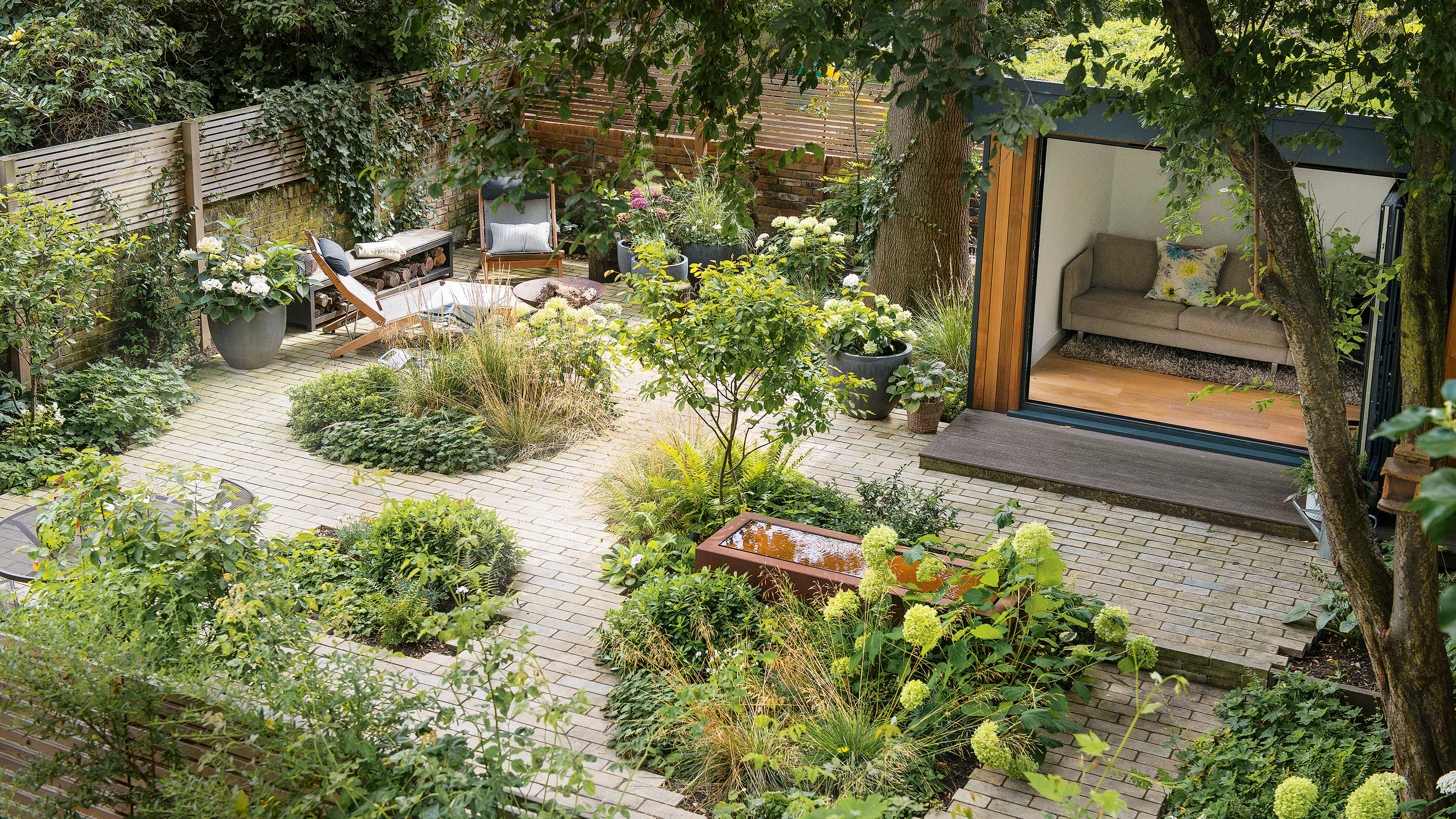
Why Layout Matters More Than Most Homeowners Realize
Many landscapes become high-maintenance not because of the plants or materials used, but because of poor layout decisions. When turf, plant beds, and hardscaping aren’t placed with intention, wear, drainage issues, and constant upkeep quickly follow.
Landscaping layouts designed to reduce maintenance focus on how the space is used, how water moves, and how elements interact over time.
Common Layout Mistakes That Increase Maintenance
High-maintenance landscapes often share the same problems.
Common mistakes include:
- Turf placed in heavy-traffic areas
- Overcrowded planting beds
- Poor drainage planning
- Undefined walking paths
- Awkward transitions between surfaces
These issues create ongoing repair cycles.
Designing Layouts Around Everyday Use
Low-maintenance landscaping starts by designing for real behavior. Landscaping layouts should support how people actually move and use the yard.
Use-aware layouts:
- Concentrate wear on durable areas
- Protect low-use zones
- Reduce random foot traffic
Designing for reality reduces damage.
Reducing Turf in Problem Areas
Lawns often require the most upkeep. Smart layouts limit turf to areas where it can thrive and be enjoyed.
Turf reduction benefits:
- Less reseeding and repair
- Reduced water demand
- Healthier grass
Less turf can mean less work.
Creating Clear Movement Paths
Undefined movement causes wear in the wrong places. Landscaping layouts guide traffic intentionally.
Path-focused design:
- Protects lawns and beds
- Reduces soil compaction
- Improves usability
Clear paths prevent damage.
Spacing Plants for Mature Growth
Overcrowding increases pruning, replacement, and disease. Low-maintenance layouts space plants based on mature size.
Proper spacing:
- Improves airflow
- Reduces trimming
- Supports plant health
Healthy plants need less care.
Managing Drainage Through Layout Design
Poor drainage increases maintenance by causing erosion and plant stress. Landscaping layouts direct water safely through the property.
Drainage-aware layouts:
- Prevent pooling
- Protect soil structure
- Reduce runoff damage
Good drainage lowers upkeep.
Balancing Open Space With Structure
Too much open space increases maintenance, while too much structure limits flexibility. Balanced layouts reduce both problems.
Balanced design:
- Improves usability
- Reduces wear
- Enhances visual appeal
Balance supports long-term performance.
Protecting High-Stress Zones
Certain areas experience more wear than others. Landscaping layouts reinforce these zones to prevent breakdown.
High-stress zone planning:
- Reduces erosion
- Improves durability
- Limits repairs
Reinforcement saves effort.
Designing for Seasonal Changes
Low-maintenance landscapes handle seasonal changes without constant adjustment. Layouts account for rainfall, heat, and growth cycles.
Season-ready design:
- Maintains stability
- Reduces damage
- Improves reliability
Seasonal resilience lowers maintenance.
Improving Soil Conditions Through Layout
Soil health affects every part of the landscape. Layout design helps protect soil from compaction and erosion.
Soil-protective layouts:
- Preserve root health
- Improve drainage
- Reduce regrading
Healthy soil means fewer problems.
Reducing Long-Term Repair Costs
Maintenance-heavy landscapes often require ongoing fixes. Smart layouts reduce the need for repeated repairs.
Cost-saving benefits include:
- Fewer replacements
- Less regrading
- Lower ongoing upkeep
Design protects investment.
Why Professional Landscape Layouts Make the Difference
Reducing maintenance requires understanding how landscapes behave over time. DIY layouts often overlook these dynamics.
Professional landscaping provides:
- Strategic layout planning
- Long-term performance focus
- Reduced future issues
Experience minimizes maintenance.

Is Your Landscape Working for You—or Against You?
If your yard requires constant upkeep, layout issues may be the cause. With thoughtful landscaping design, outdoor spaces become easier to maintain and more enjoyable year after year.
Contact Twelve Point Landscaping today to schedule a free estimate and explore professional landscaping layouts designed to reduce maintenance, improve durability, and support long-term performance.



find us on


